Collaboration in Gaming – The Path to Greater Patience and Empathy

Collaboration in Gaming – The Path to Greater Patience and Empathy
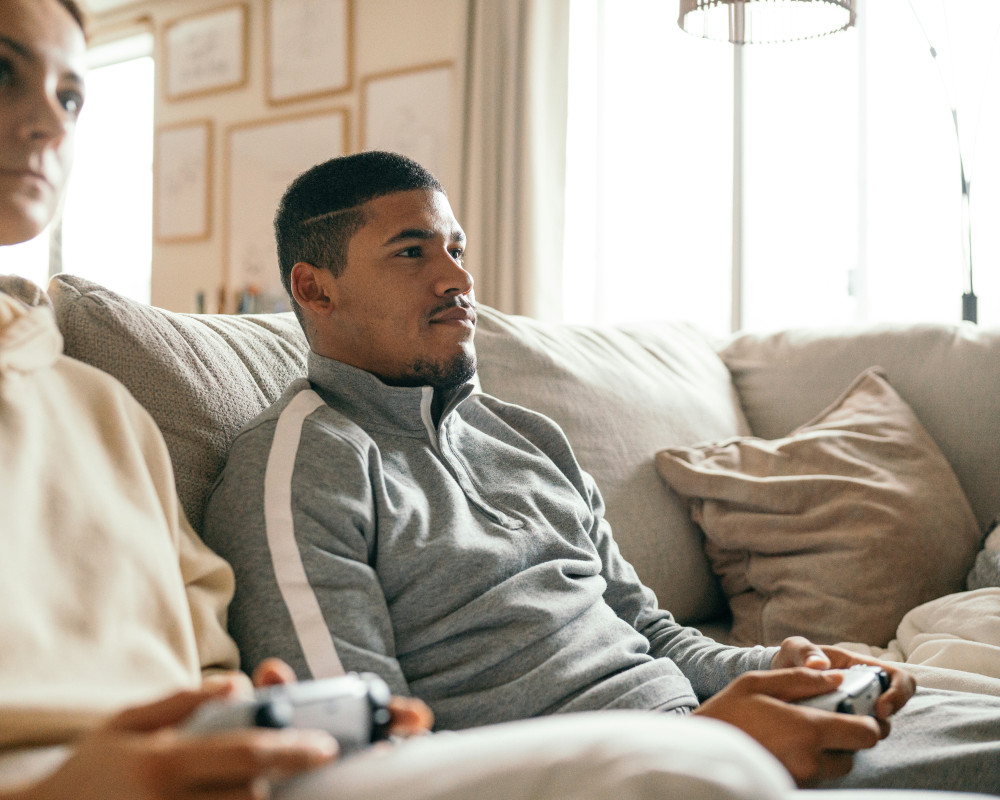
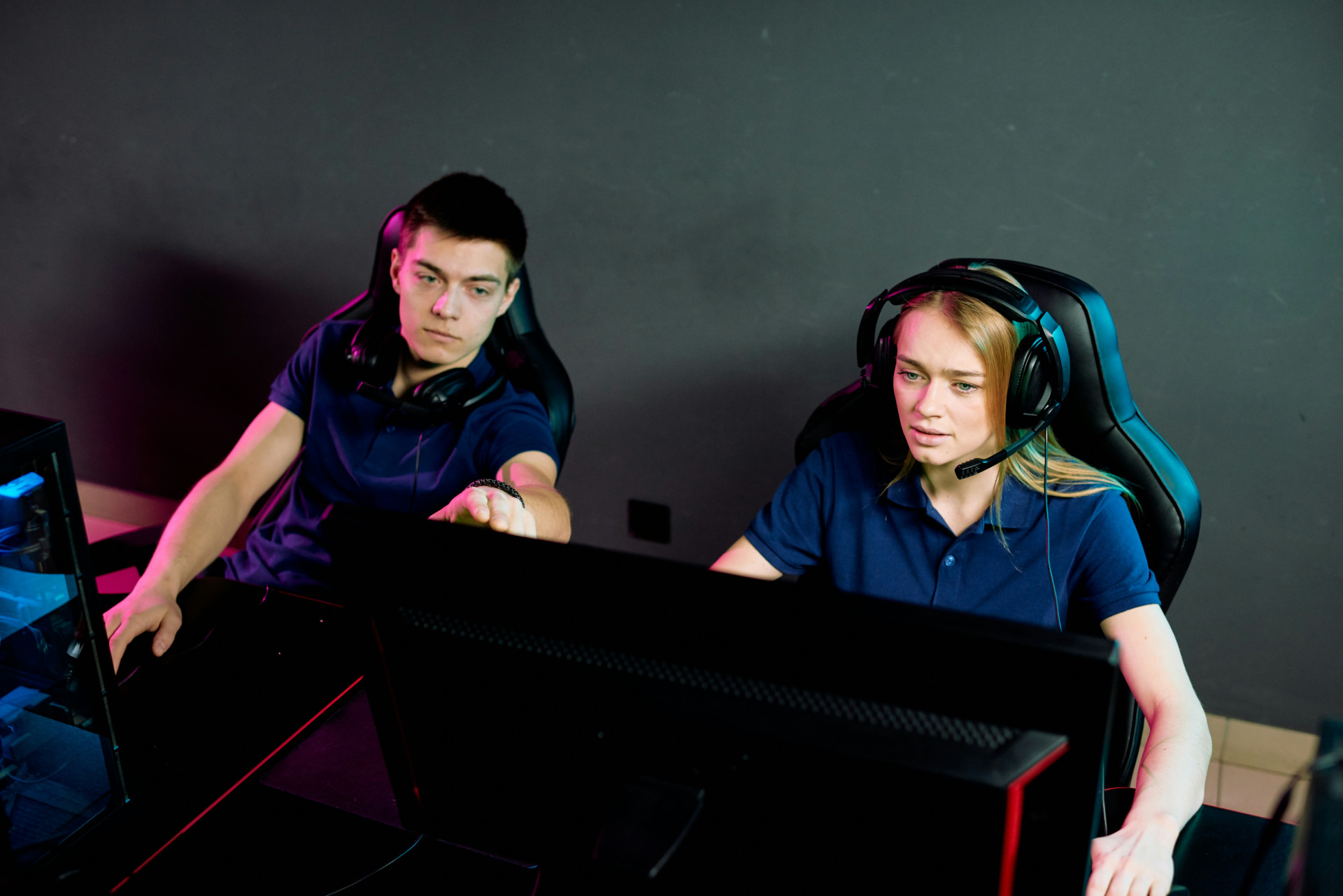
When most people think of video games, they picture competition, fast reflexes, and high scores. But in recent years, another side of gaming has gained attention: collaboration. As more games are built around teamwork and shared goals, research and player experiences suggest that cooperative gaming isn’t just about winning together—it can also nurture patience, empathy, and a deeper understanding of others.
When Gaming Becomes a Shared Mission
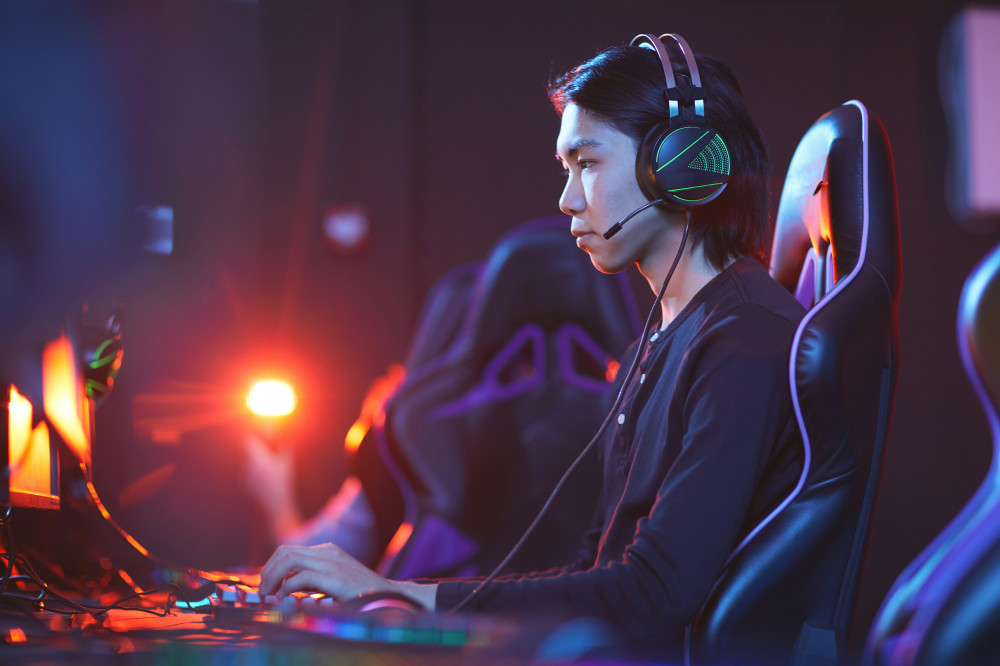
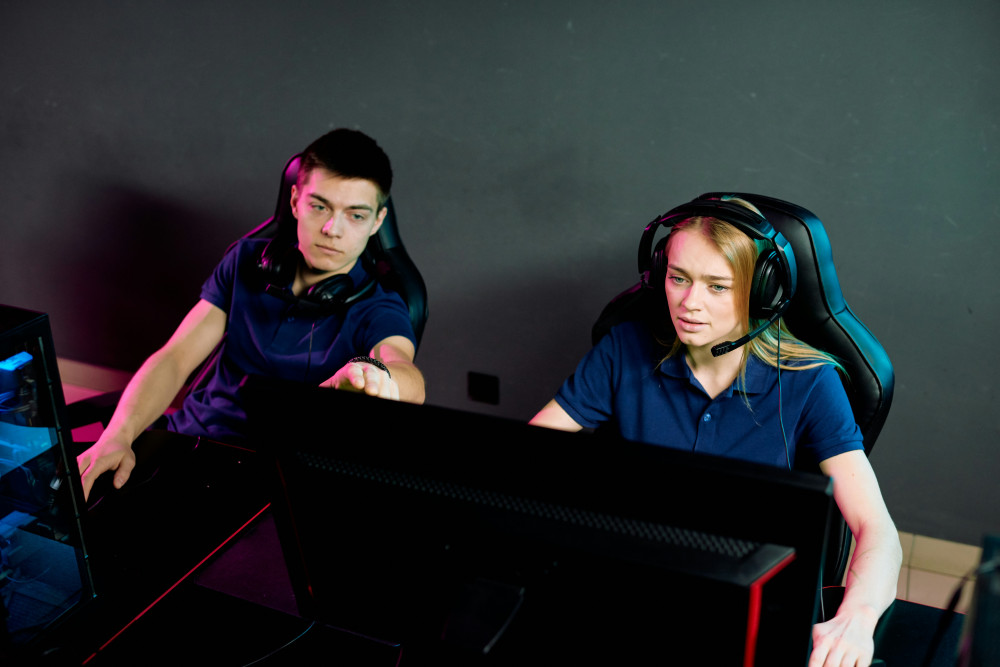
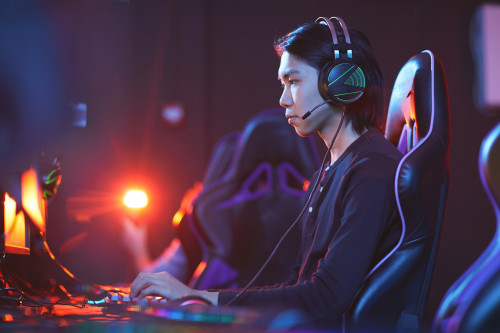
In many modern games, success depends on how well players work together. From massive online role-playing games to small co-op adventures, communication, planning, and trust are key.
Playing as a team quickly teaches that no one can do everything alone. You have to listen, adapt, and sometimes step back to let others lead. These moments—when players coordinate strategies or recover from mistakes—are where patience and empathy take root. They’re not abstract virtues but practical skills honed through shared digital experiences.
Læs også:
Patience as Part of the Game
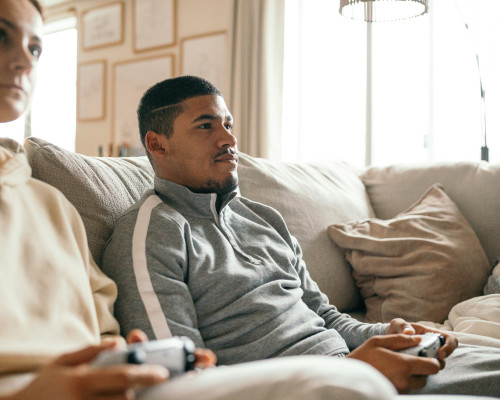
Cooperative games often require multiple attempts to overcome challenges. It can be frustrating to fail repeatedly, but it’s also an exercise in staying calm and focusing on progress rather than perfection. When playing with others, it becomes clear that anger or impatience rarely helps; instead, it can break the team’s rhythm and morale.
Many players say that through co-op gaming, they’ve learned to handle setbacks better—both in games and in life. Taking a breath, regrouping, and trying again are valuable habits that extend far beyond the screen.
Empathy Through Digital Worlds
Empathy is about understanding others’ perspectives—and that’s exactly what many games encourage. When you play together, you experience the world through different roles and responsibilities. You might be the healer keeping your team alive, the strategist coordinating moves, or the player who needs support after a tough round. Each role requires awareness of how your actions affect others.
Some games even build empathy directly into their mechanics. Players must share resources, help teammates recover, or make decisions that prioritize the group’s well-being. These experiences foster a kind of digital compassion, reminding players that success often depends on collective effort rather than individual glory.
Gaming as Social Practice
For many Americans—teens and adults alike—cooperative gaming serves as a form of social training. It’s a space to practice communication, conflict resolution, and leadership in a low-stakes environment. Talking through strategies or resolving disagreements in a game can mirror real-world teamwork, but with the freedom to experiment and learn.
At the same time, gaming can forge strong relationships. Countless friendships have started through shared victories and defeats online. Whether it’s coordinating in a raid or solving puzzles together, these experiences show that virtual connections can be just as meaningful as face-to-face ones.
From Screen to Everyday Life
It’s easy to dismiss gaming as mere entertainment, but cooperative games reveal a deeper potential. They act as small laboratories for social growth—places where players learn to listen, support, and understand one another. The patience and empathy developed in these digital spaces can carry over into daily life, shaping how we interact at work, in school, and in our communities.
So the next time you log in to play with friends, remember: you’re not just improving your reflexes or strategy. You’re also practicing the art of collaboration—and becoming a little more patient and empathetic along the way.
Læs også: