Keep Your Smart Heating System Updated and Efficient

Keep Your Smart Heating System Updated and Efficient
A smart heating system can make a big difference in both comfort and energy use at home. But like any technology, it needs a bit of attention to keep running at its best. Software updates, proper calibration, and regular maintenance are key to ensuring your system delivers the warmth you need—without wasting energy. Here’s how to keep your smart heating system updated and efficient all year long.
Why Updates Matter
Most modern smart heating systems—whether they control radiators, baseboard heaters, or heat pumps—are connected to the internet. That means manufacturers regularly release software updates that can improve performance, security, and energy efficiency.
An update can:
- Improve energy efficiency by refining the algorithms that manage heating cycles.
- Fix bugs or stability issues that could affect performance.
- Add new features that make the system easier to use or more flexible.
- Enhance security to protect your home network from digital threats.
Check regularly for available updates through the app or the manufacturer’s website. Many systems can update automatically, but it’s still a good idea to verify that updates are being installed as intended.
Calibrate Sensors and Thermostats
A smart system is only as accurate as the sensors it relies on. If temperature sensors or thermostats aren’t reading correctly, you could end up with wasted energy or uneven heating.
- Check sensor placement—they shouldn’t be near heat sources, windows, or direct sunlight.
- Compare readings with a reliable thermometer to ensure accuracy.
- Calibrate when needed—many systems allow you to adjust readings directly in the app.
A quick annual checkup, ideally before heating season begins, can help ensure everything is working properly.
Læs også:
Clean and Maintain Your Equipment
Even though the controls are digital, the heating system itself is still mechanical. Dust, dirt, and mineral buildup can affect efficiency, especially in systems with radiators, vents, or heat pumps.
- Dust and wipe down thermostats and sensors so they can measure accurately.
- Bleed radiators to remove trapped air and ensure even heat distribution.
- Follow manufacturer maintenance guidelines for your furnace or heat pump—regular service can extend its lifespan and save energy.
A clean, well-maintained system responds faster and uses less energy to maintain your desired temperature.
Use Data and Insights to Your Advantage
Most smart heating systems collect data about your energy use, temperature settings, and daily routines. Use that information to fine-tune your comfort and efficiency.
- Review usage patterns—see when you use the most heat and where you can cut back.
- Take advantage of scheduling and zoning—lower the temperature when you’re away and warm things up before you return.
- Integrate with other smart home devices—for example, your system can lower the heat when windows are open or when motion sensors detect no one’s home.
Small adjustments can quickly add up to noticeable savings and improved comfort.
Keep an Eye on Connectivity
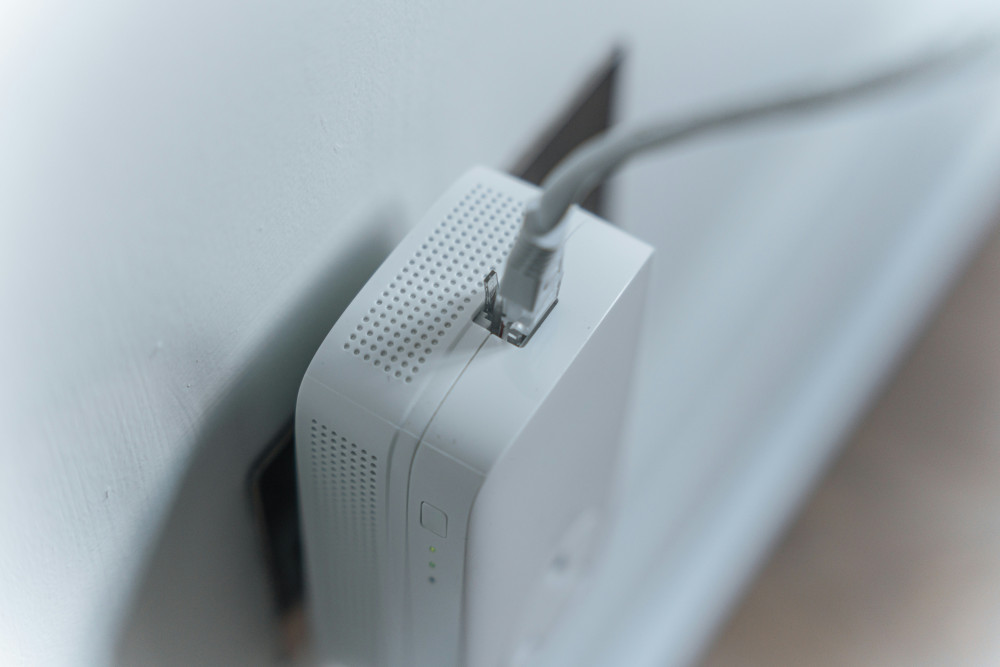
A smart heating system depends on a stable internet connection. If the connection drops, you might lose remote control or automated features.
- Ensure strong Wi-Fi coverage throughout your home, especially where sensors and thermostats are located.
- Restart your router periodically and keep its firmware updated.
- Consider a backup option if your internet is unreliable—some systems can operate locally for a while without a connection.
A stable connection ensures your system responds quickly and accurately to your preferences.
When It’s Time to Upgrade
Technology evolves quickly, and even a well-functioning system can become outdated over time. If your system no longer supports new features or the app stops receiving updates, it might be time to consider an upgrade.
Newer systems often offer:
- Better integration with voice assistants and smart home platforms.
- More precise control powered by artificial intelligence.
- Enhanced energy reporting and automatic optimization.
While upgrading is an investment, it can pay off through lower energy bills and improved comfort.
A System That Works for You
A smart heating system should make life easier—not more complicated. By keeping it updated, calibrated, and well maintained, you ensure it continues to work efficiently in the background. The result is a home that’s always at the right temperature, without extra effort—and an energy bill that stays under control.
Læs også: