Advising as Learning: Strengthen Your Understanding of Your Own Finances


Advising as Learning: Strengthen Your Understanding of Your Own Finances
Financial advising isn’t just about getting answers to questions like how to invest, save, or pay off debt. It can also be a learning process—an opportunity to understand your own habits, values, and goals more deeply. When you approach advising as a form of learning, it can help you build a stronger, more confident relationship with your money and make better decisions for the future.
From Advice to Insight
Traditionally, financial advising has focused on specific recommendations: Which retirement account should you choose? How can you reduce your credit card debt? But today, many advisors see their role as partners in your financial learning journey. They don’t just tell you what to do—they help you understand why.
When you take an active role in the advising process—asking questions, reflecting on your choices, and understanding the reasoning behind recommendations—you gain more than short-term solutions. You develop long-term financial thinking skills that empower you to make informed decisions on your own.
Recognize Your Financial Patterns
A key part of learning through advising is recognizing your own financial patterns. Many of us make money decisions based on habits, emotions, or assumptions we rarely question. A good advisor can help you see where your money actually goes and why you prioritize the way you do.
- Create a clear overview of your fixed expenses and variable spending.
- Reflect on your choices—what truly adds value to your life, and what could you do without?
- Define your goals—both short-term (like a vacation or new laptop) and long-term (like buying a home, saving for retirement, or achieving financial independence).
Once you understand your patterns, it becomes easier to change them—and to use advising as a mirror that reveals new possibilities.
Questions That Drive Learning
A productive advising session is a two-way conversation. The more you ask, the more you learn. Don’t just ask, “What should I do?”—also ask, “Why do you recommend that?” and “How will this affect me in the long run?”
By asking curious, open-ended questions, you gain insight into the principles behind your advisor’s recommendations—such as how interest, risk, and time interact. This understanding helps you evaluate future decisions, even when you’re not sitting across from an advisor.
Digital Tools as Learning Partners
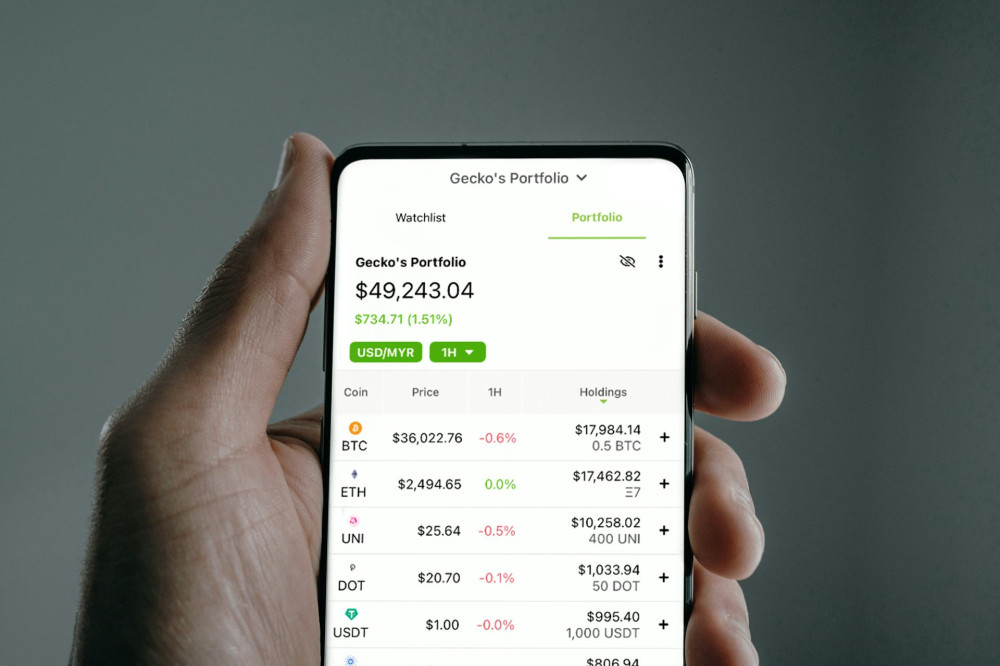
Today’s digital tools can make financial learning more accessible and engaging. Budgeting apps, investment platforms, and online planning tools can give you a visual overview of your finances and show how different choices might shape your future.
When you combine personal advising with digital tools, you get both human insight and data-driven clarity. This combination can make learning more concrete—and help you turn knowledge into action.
Læs også:



Building Financial Confidence Through Learning
Understanding your finances isn’t just about numbers. It’s also about confidence—the sense that you can make sound decisions even when circumstances change. When you learn through advising, you build financial confidence: the ability to trust your judgment and stay grounded in your goals.
That confidence helps you navigate life’s financial transitions—starting a new job, buying a home, growing your family, or planning for retirement. You become less dependent on others’ opinions and more aware of your own priorities.
Make Advising Part of Your Financial Education
Advising as learning isn’t a one-time event—it’s an ongoing process. The more you engage, the more you gain. Think of advising as part of your financial education, much like learning a new skill or language.
By using advising as a space for reflection and growth, you can develop a more sustainable and intentional approach to your finances. It’s not just about getting advice—it’s about becoming wiser about yourself.
Læs også: