Cryptocurrency and Trust: A New Way to Understand the Economy

Cryptocurrency and Trust: A New Way to Understand the Economy
In just over a decade, cryptocurrency has evolved from a niche experiment among tech enthusiasts to a global financial phenomenon. For some Americans, it represents the promise of a freer, more transparent economy—one that operates outside the control of banks and governments. For others, it’s a volatile gamble with little real-world value. But regardless of opinion, cryptocurrency has changed how we think about trust, money, and the very structure of the economy. What happens when trust is no longer something we place in institutions, but something built directly into technology itself?
From Coins to Code – What Is Cryptocurrency?
Cryptocurrency is a form of digital money that operates without a central authority such as a bank or government. Instead, it relies on a technology called blockchain—a decentralized digital ledger that records and verifies transactions across a network of computers. Because no single entity controls the system, it’s nearly impossible to alter or manipulate the data.
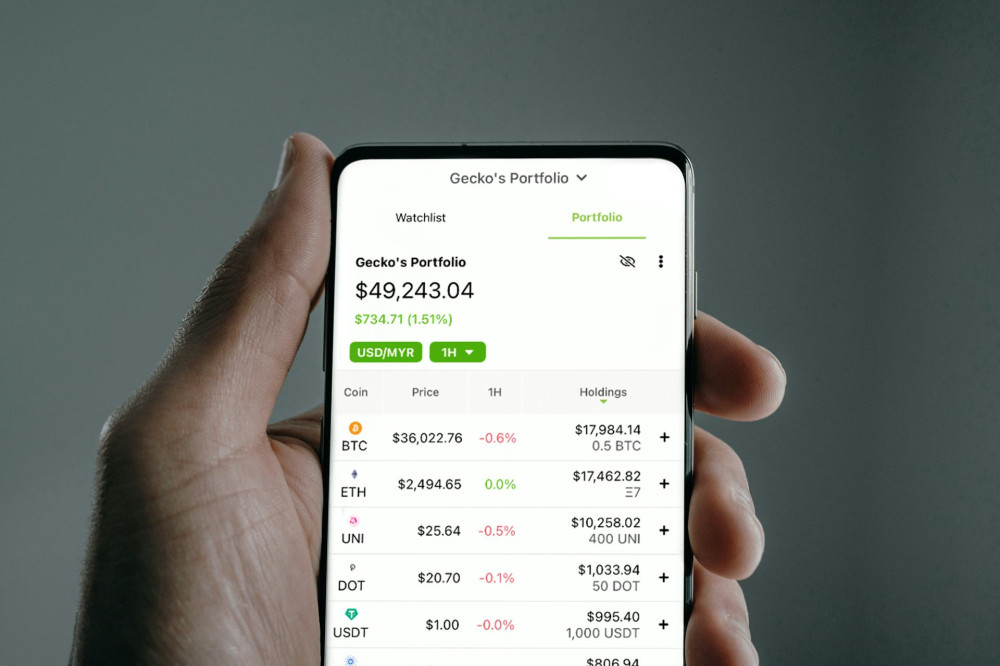
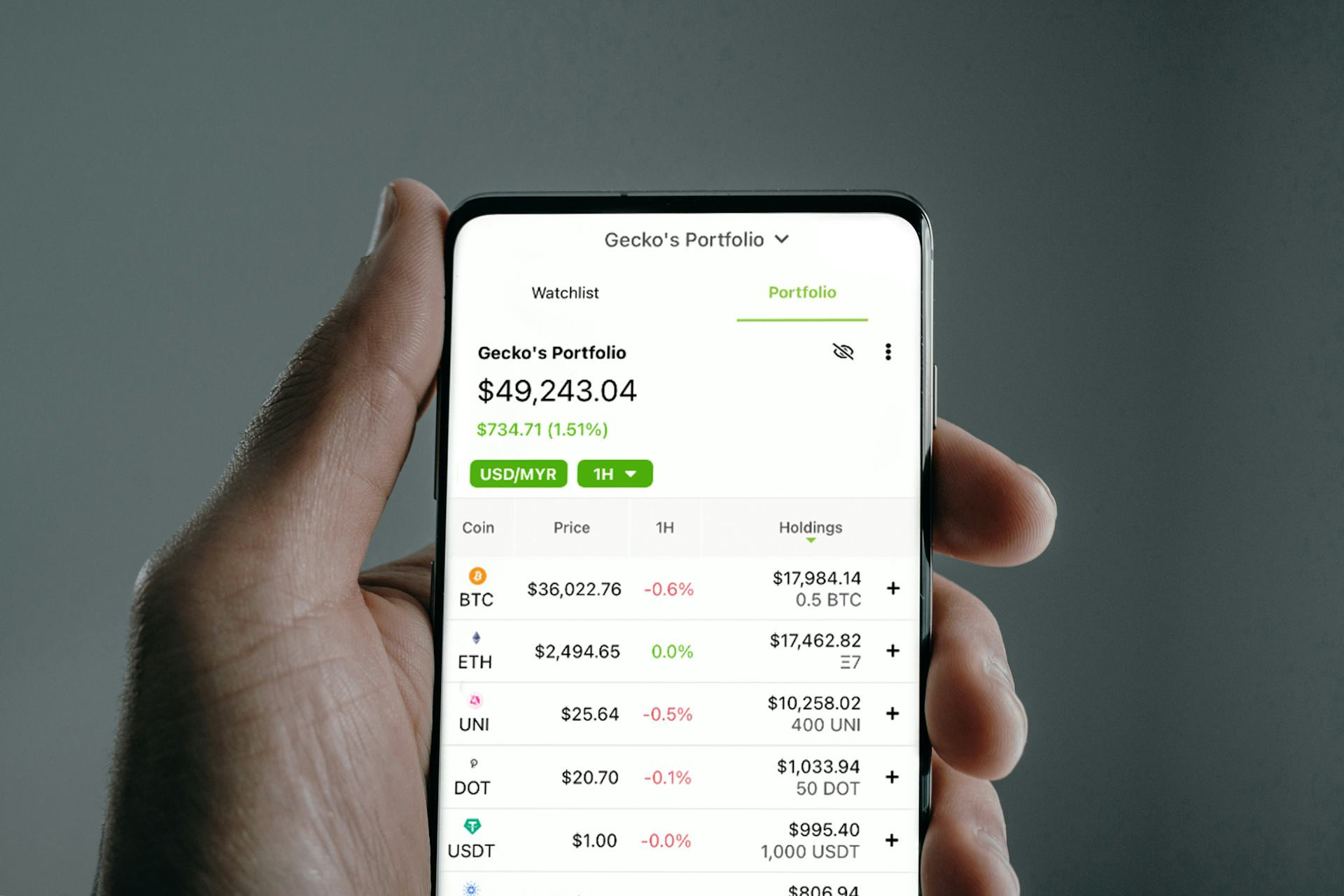
The first and most famous cryptocurrency, Bitcoin, was launched in 2009. Since then, thousands of others have emerged—Ethereum, Solana, Dogecoin, and many more—each with its own purpose and community. What unites them is the idea that trust can be created through transparency and mathematics rather than through traditional financial institutions.
Læs også:



Trust Without Banks – A New Economic Philosophy
For centuries, the U.S. economy has been built on institutional trust. We trust banks to safeguard our savings, the Federal Reserve to manage inflation, and the government to ensure the stability of the dollar. Cryptocurrency challenges this model by proposing that trust can be decentralized—distributed across a network of users who collectively maintain the system’s integrity.
It’s a radical concept: an economy where no one needs to trust anyone else, because the technology itself enforces the rules. For many crypto advocates, this is what makes digital currencies more than just speculative assets—they represent a social experiment in how trust can be organized in new, democratic ways.
Risk, Speculation, and Real-World Challenges
Of course, the reality is far more complicated. Cryptocurrencies are notoriously volatile, with prices that can soar or crash within hours. Many investors have made fortunes, while others have lost their life savings. The market has also been plagued by scams, hacking incidents, and projects that turned out to be little more than hype.
In the United States, regulators are still grappling with how to oversee this new financial frontier. Agencies like the Securities and Exchange Commission (SEC) and the Commodity Futures Trading Commission (CFTC) are debating how to classify and regulate digital assets. The challenge is to strike a balance between encouraging innovation and protecting consumers. Even though blockchain promises transparency, it can be difficult for everyday users to understand what they’re investing in—or who’s behind a given project.
Blockchain – The Infrastructure of Trust
While cryptocurrency often dominates headlines for its price swings, the underlying blockchain technology has far broader potential. It can be used to create trust-based systems in areas like supply chain management, real estate, voting, and digital identity.
Imagine being able to verify the origin of your food, the authenticity of a piece of art, or the ownership of property—all without relying on a central authority. Blockchain makes this possible by recording transactions in a way that cannot be altered after the fact. It offers a new kind of digital trust—one that depends not on institutions, but on shared verification and transparency.
Rethinking What Money Means
Cryptocurrency forces us to reconsider what money really is. Is it simply a medium of exchange, or is it a reflection of trust between people and institutions? When trust shifts from banks to algorithms, our understanding of economic power and responsibility changes as well.
For some Americans, this shift represents liberation—a move toward a more open and democratic economy. For others, it’s a dangerous illusion, one that replaces human accountability with opaque code and new forms of inequality. Yet one thing is certain: cryptocurrency has sparked a vital conversation about how we build and sustain trust in a digital age.
The Future of Trust and Technology
Whether cryptocurrency becomes the money of the future remains uncertain. But it has already transformed how we think about the economy. It has shown that trust doesn’t have to be anchored in institutions—it can also be a matter of code, community, and transparency.
Perhaps that’s cryptocurrency’s greatest contribution: not its market value, but its ability to make us question what we trust, why we trust it, and how technology might reshape that trust in the years to come.
Læs også: