Streaming, the Cloud, and Gaming: How New Habits Affect Your Household Internet Needs

Streaming, the Cloud, and Gaming: How New Habits Affect Your Household Internet Needs
Over the past few years, the way Americans use the internet has changed dramatically. What used to be a tool for checking email and reading the news has become the backbone of our entertainment, work, and social lives. Streaming, cloud storage, and online gaming now dominate our daily routines—and that means your home internet connection has to keep up. Here’s how these new habits affect your household’s internet needs and what you can do to stay ahead.
High-Resolution Streaming Demands More Bandwidth
Streaming services like Netflix, Hulu, Disney+, and YouTube have become staples in most U.S. households. But the quality of what we watch has evolved. Standard definition is rare these days—most people stream in HD or even 4K, and that requires a lot more data.
- HD streaming typically uses 3–5 Mbps per device.
- 4K streaming can use up to 25 Mbps per device.
If multiple people in your home are watching different shows or movies at the same time, your connection can quickly get overloaded. A family with several screens often needs at least a 200 Mbps connection to avoid buffering and lag, especially during peak evening hours.
Cloud Services Move Your Data Beyond the Home
From Google Drive and iCloud to Dropbox and OneDrive, cloud services have become the default way to store and share files. They make it easy to access your photos, documents, and backups from anywhere—but they also mean your devices are constantly sending and receiving data.
Uploading vacation photos, syncing work files, or backing up your phone all rely on upload speed, which is often much slower than download speed. If you work from home, share large files, or use cloud backups frequently, consider a plan with symmetrical speeds (equal upload and download rates). Fiber internet providers often offer this, making them a great choice for heavy cloud users.
Gaming and Esports Require Stability, Not Just Speed
Online gaming isn’t just for kids anymore—it’s a major pastime for millions of Americans. But gaming performance depends less on raw speed and more on stability and low latency (ping). Even a small delay can make the difference between winning and losing.
Games like Fortnite, Call of Duty, and EA Sports titles don’t use much bandwidth, but they do need a consistent, uninterrupted connection. If multiple people in your household are gaming, streaming, and downloading at once, you’ll notice slowdowns. A fiber or high-speed cable connection is usually the best option for gamers who want smooth, lag-free play.
More Devices, More Demand
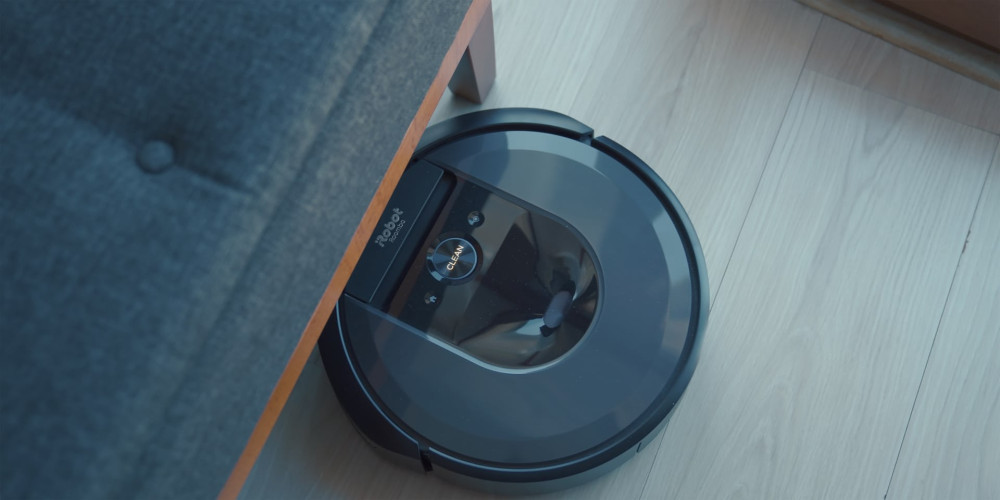
Today’s homes are filled with connected devices—smart TVs, tablets, phones, gaming consoles, smart speakers, thermostats, and even robot vacuums. Each one uses a bit of bandwidth, and together they can put a serious load on your network.
A good rule of thumb is to count how many devices are typically online at once and choose a plan that can handle that total demand. Many U.S. internet providers now offer online tools to help you estimate your ideal speed based on the number of users and devices in your home.
Your Wi-Fi Network Matters as Much as Your Internet Plan
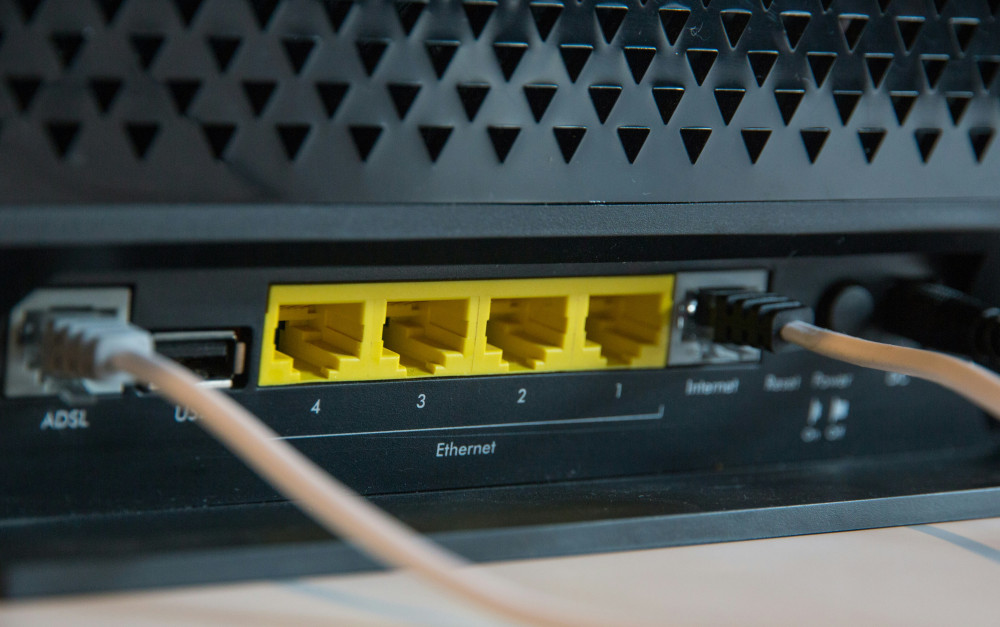
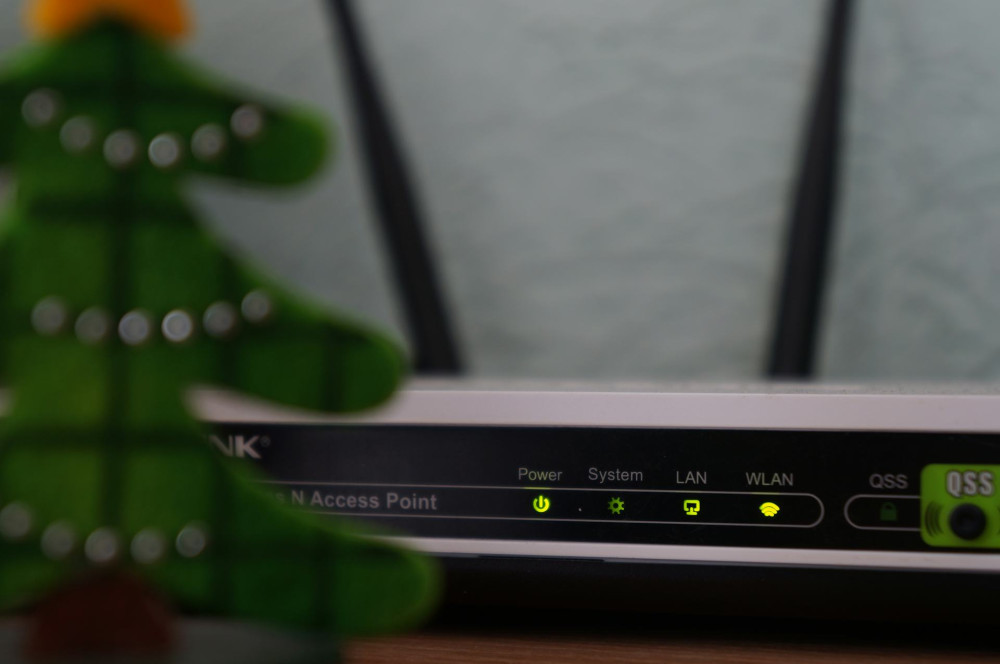
Even the fastest internet plan can feel slow if your Wi-Fi network isn’t up to the task. Thick walls, distance from the router, and outdated equipment can all cause weak signals and slow speeds.
Consider these upgrades:
- Place your router in a central location for better coverage.
- Upgrade to a Wi-Fi 6 router for faster speeds and improved performance.
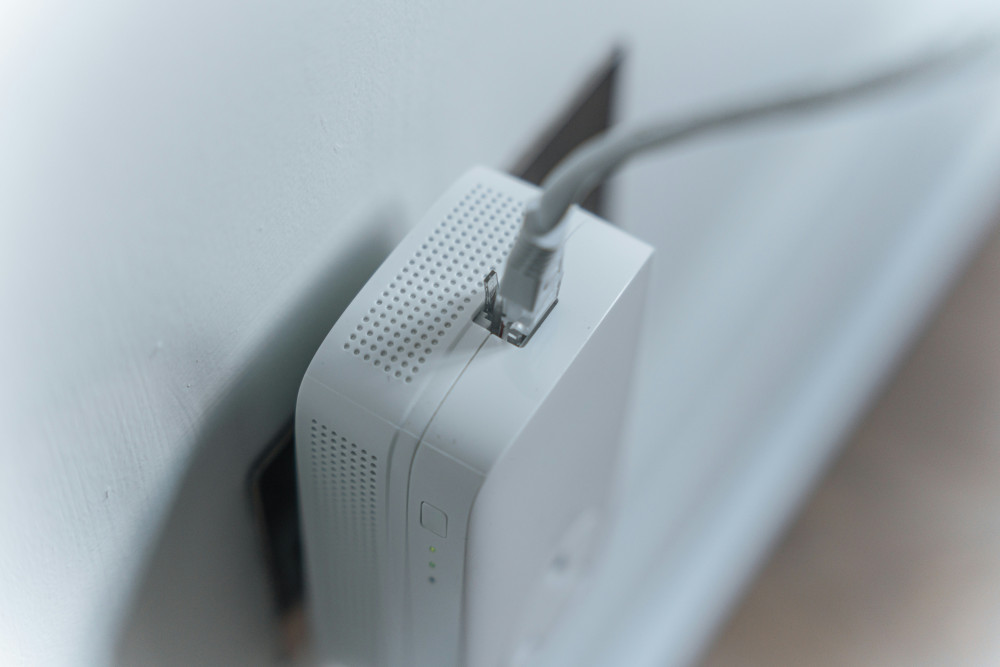
- Use a mesh Wi-Fi system if you live in a larger home, so the signal reaches every room evenly.
A strong, reliable Wi-Fi network ensures that everyone in your household can stay connected without frustration.
Choosing the Right Internet Plan for Your Home
When selecting an internet plan, price is important—but so is matching your connection to your household’s habits. Think about:
- Number of users and devices – The more you have, the more speed you’ll need.
- Usage patterns – Streaming, gaming, and remote work require more bandwidth than casual browsing.
- Future needs – Choose a plan that can handle your household’s growth over the next few years.
For most families, a plan offering 300–500 Mbps is more than enough. But if you stream in 4K, game online, and work from home, upgrading to gigabit speeds can help you avoid slowdowns during busy times.
Læs også:

Keeping Up with a Connected Lifestyle
Our digital habits are evolving fast, and our internet connections need to evolve with them. Streaming, cloud storage, and gaming are no longer luxuries—they’re part of everyday life. With the right speed, stability, and Wi-Fi setup, you can make sure your household enjoys a seamless online experience today and in the years to come.
Læs også: