Antivirus and Firewall Explained: How to Protect Your System Effectively


Antivirus and Firewall Explained: How to Protect Your System Effectively
In today’s connected world, where we rely on the internet for everything from banking to entertainment, protecting your computer from cyber threats is more important than ever. Viruses, malware, and hackers are constantly evolving, and one careless click can lead to serious consequences. Fortunately, there are powerful tools designed to keep you safe — antivirus software and firewalls. But what exactly do they do, and how do they work together to secure your system? Here’s a clear explanation and some practical advice on how to protect your computer effectively.
What Is Antivirus Software?
Antivirus software is your computer’s first line of defense against malicious software. It monitors files, programs, and online activity to detect and remove threats such as viruses, trojans, spyware, and ransomware.
Most modern antivirus programs work in real time — meaning they continuously scan your system as you use it. If the software detects something suspicious, it quarantines or deletes the file before it can cause harm.
Antivirus programs rely on regularly updated “signatures,” which are digital fingerprints of known threats. That’s why it’s crucial to keep your antivirus software up to date — so it can recognize and block the latest forms of malware.
Læs også:


What Is a Firewall?
While antivirus software protects against threats that have already entered or are trying to enter your computer, a firewall acts as a digital gatekeeper. It monitors all network traffic — both incoming and outgoing — and decides what should be allowed through.
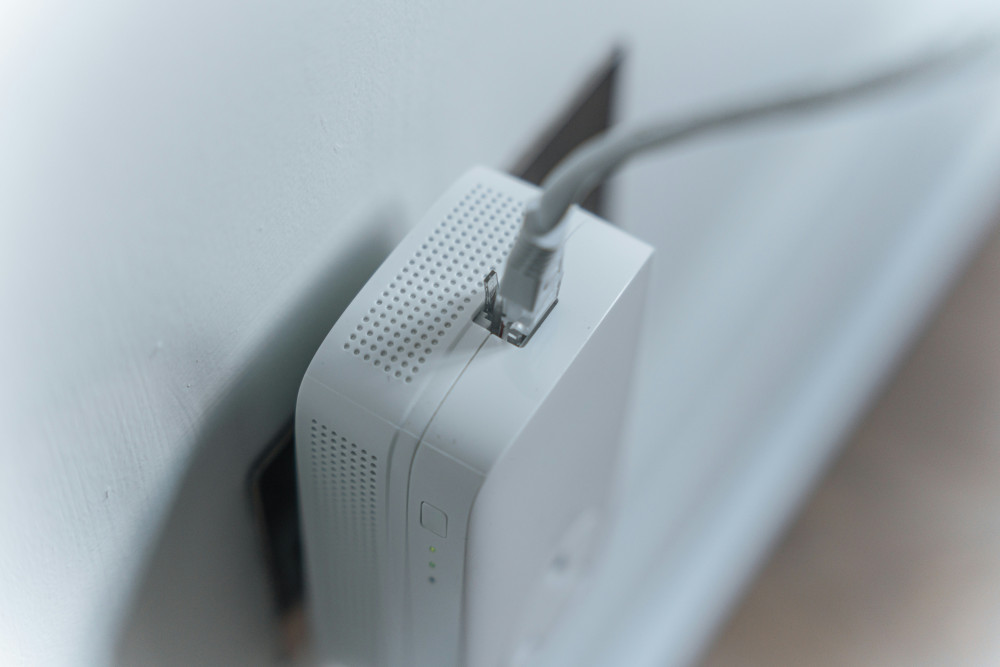
A firewall can be hardware-based (for example, built into your router) or software-based (installed on your computer). It blocks unauthorized connections and helps prevent hackers from gaining access to your system.
In short: antivirus software protects against malicious code, while a firewall protects against unwanted network access. Together, they form a strong defense.
How Antivirus and Firewall Work Together
Think of your computer as a house. The firewall is the lock on the door, deciding who can come in, while the antivirus is the alarm system that detects if someone manages to sneak inside and tries to steal something.
For example, when you download a file from the internet, the firewall first checks whether the connection is safe. Then the antivirus scans the file itself for malicious code. If anything looks suspicious, the process is stopped before any damage occurs.
This combination of prevention and detection is why both a firewall and antivirus software should always be active on your computer — even on home networks.
Free or Paid Protection?
There are many free antivirus programs that provide basic protection. For most everyday users, this can be sufficient, especially when combined with an active firewall and safe online habits.
However, paid versions often include additional features such as:
- Protection against phishing and identity theft
- Secure online banking and shopping
- Parental controls and multi-device coverage
- Faster support and automatic updates
If you use your computer for work, handle sensitive data, or frequently download files, investing in a paid solution can be worthwhile.
Smart Habits That Strengthen Your Security
Even the best security software can’t protect you if you’re not careful. Here are some simple habits that make a big difference:
- Keep everything updated — your operating system, apps, and antivirus software.
- Think before you click — avoid opening unknown links or attachments.
- Use strong passwords — and consider a password manager.
- Back up your data — so you don’t lose important files if something goes wrong.
- Pay attention to warnings — don’t ignore alerts from your security software.
Cybersecurity isn’t just about technology; it’s also about behavior. A cautious user is the best defense against online threats.
A Secure System Requires Balance
Antivirus software and firewalls are two sides of the same coin — they protect you from different types of threats but work best together. With the right tools and a bit of digital awareness, you can minimize your risk and use your computer with confidence.
Technology evolves quickly, and so do cyber threats. That’s why cybersecurity should be seen as an ongoing process, not a one-time task. A secure system is one you actively take care of.
Læs også: